Warning
Note
形があるものは、そこには何も残らない。
Things that have a shape leave nothing behind.幸せな日々に、形を与えない方がいい。形があるものは必ず壊れる。
It’s better not to give happy days a shape. Things that have a shape will inevitably break.だから形なんて残らなくていい。
So there’s no need for a shape to remain.
I want to state my thesis here first. Naoya’s philosophical development at the end of Sakura no Toki can be understood through three main points: transience, continuation, and unfinishedness. In essence, that’s basically it. Now, to actually elaborate on these points.
Transience
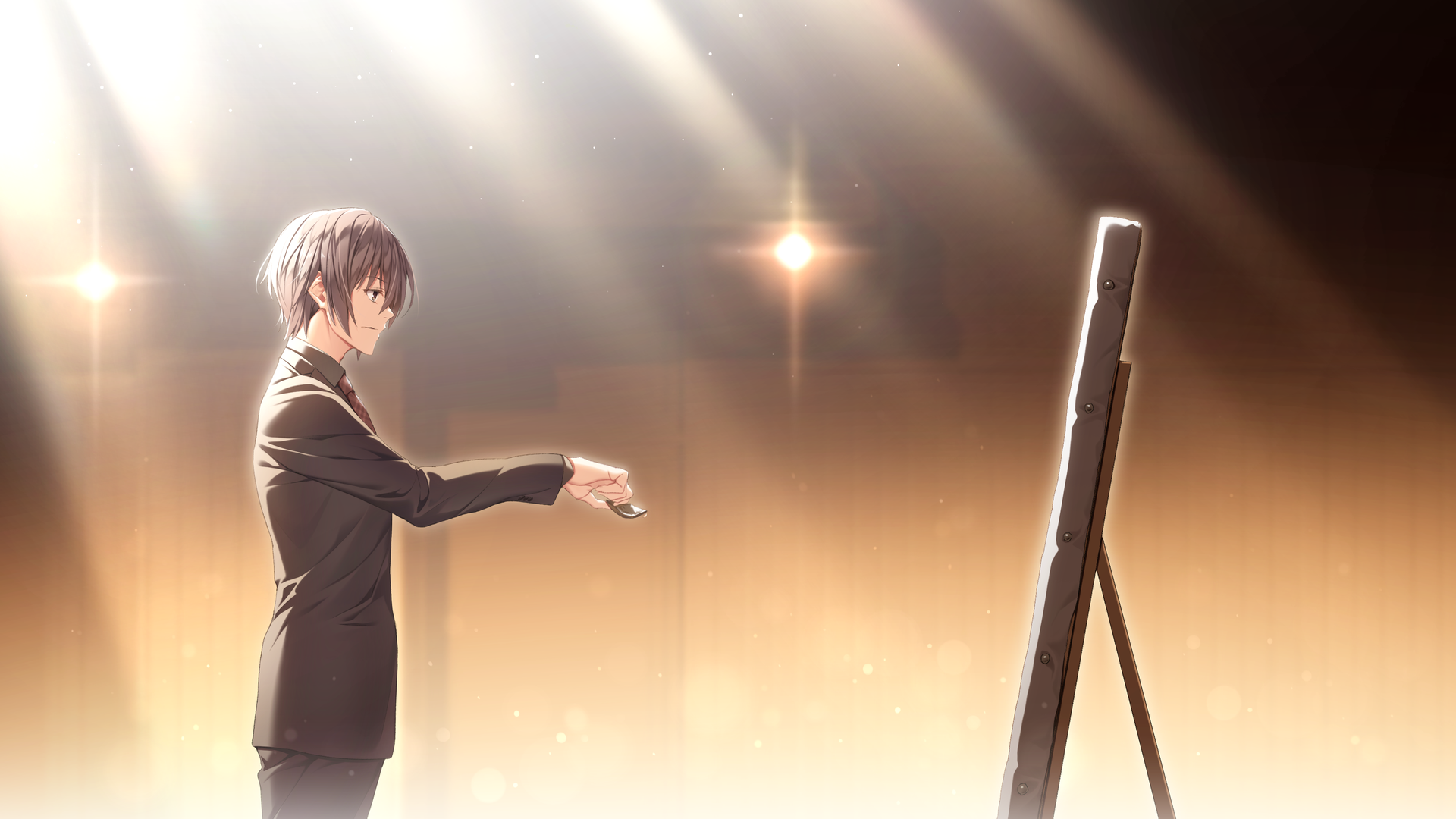
First, transience. This is probably the easiest one to establish, and the one that is the most “important,” per se, in Naoya’s thinking, because his entire struggle with the Black Painting begins with wanting to preserve something that, by its very nature, cannot be preserved. Beauty exists within an encounter: Kei’s Two Sunflowers, the first time Naoya encountered it, the people he met, the happy days he experienced, the sad days he experienced—actually, the valence of those emotions doesn’t specifically matter. “Beauty” isn’t necessarily being used in reference to something that is “beautiful” in the ordinary sense, but rather an experience that falls outside of your existing conceptual framework of understanding. But I digress.
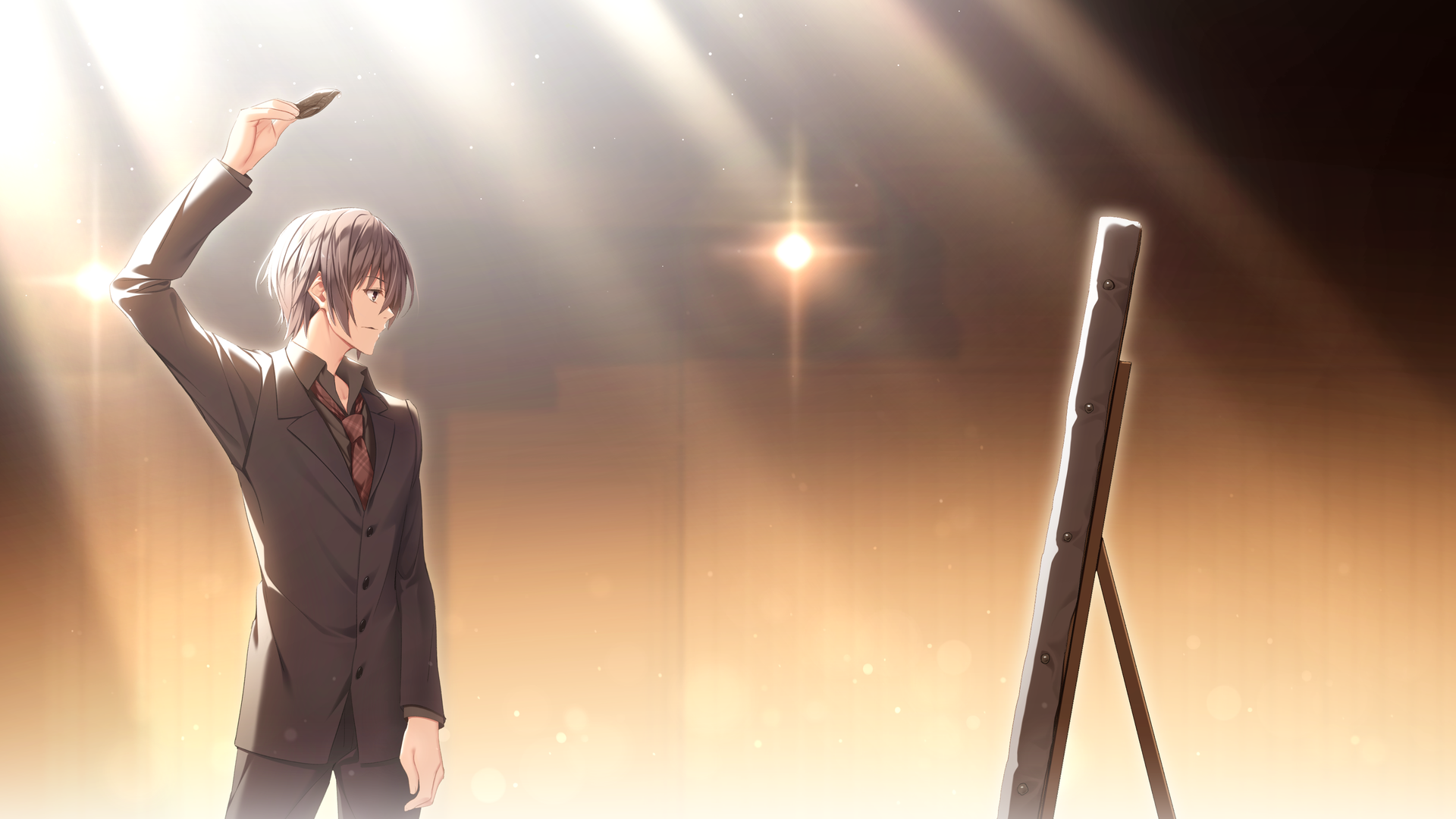
Anyway, the moment you try to give that experience a fixed form, you inevitably change its relationship to time. This is what “It’s better not to give those happy days a shape” gets at: tangible things are bound to break. You shouldn’t treat happy days as something that can be preserved unchanged, because their meaning comes from the fact that they were lived, passed through, and could never occur in exactly the same way again. This was also, in a way, foreshadowed numerous times throughout Uta and Toki. Just to give one such example, during ZYPRESSEN, Naoya allowed his collaborative artwork with Rina at the playground—after it had been finished—to be washed away by the coming rain. The disappearance of this artwork doesn’t negate their collaboration; its disappearance was itself part of the experience. The moment existed, was lived, and consequently became part of the history of the people who experienced it. The artwork disappearing is simply another part of that history.
This leads us into our next point.
Continuation
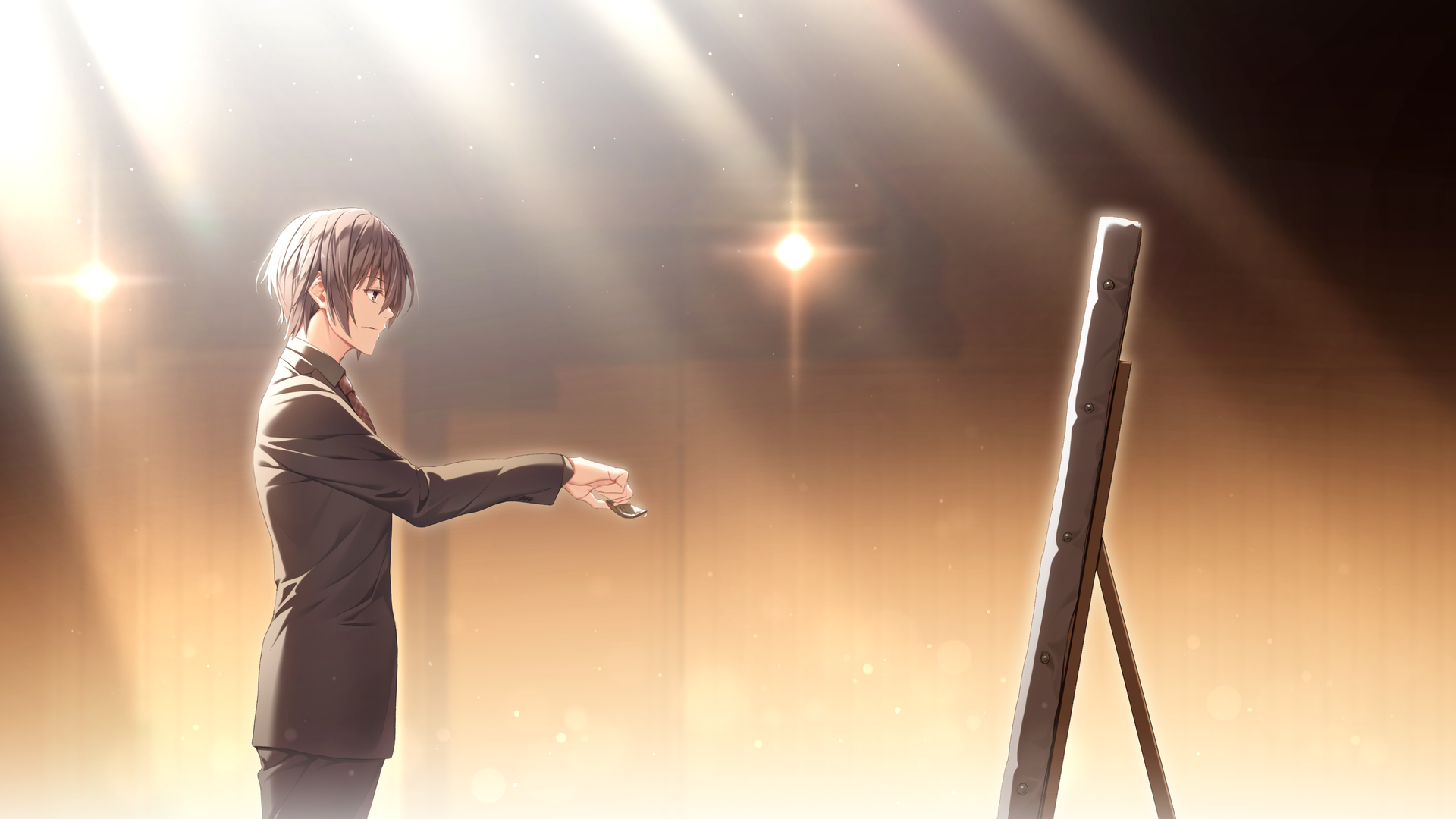
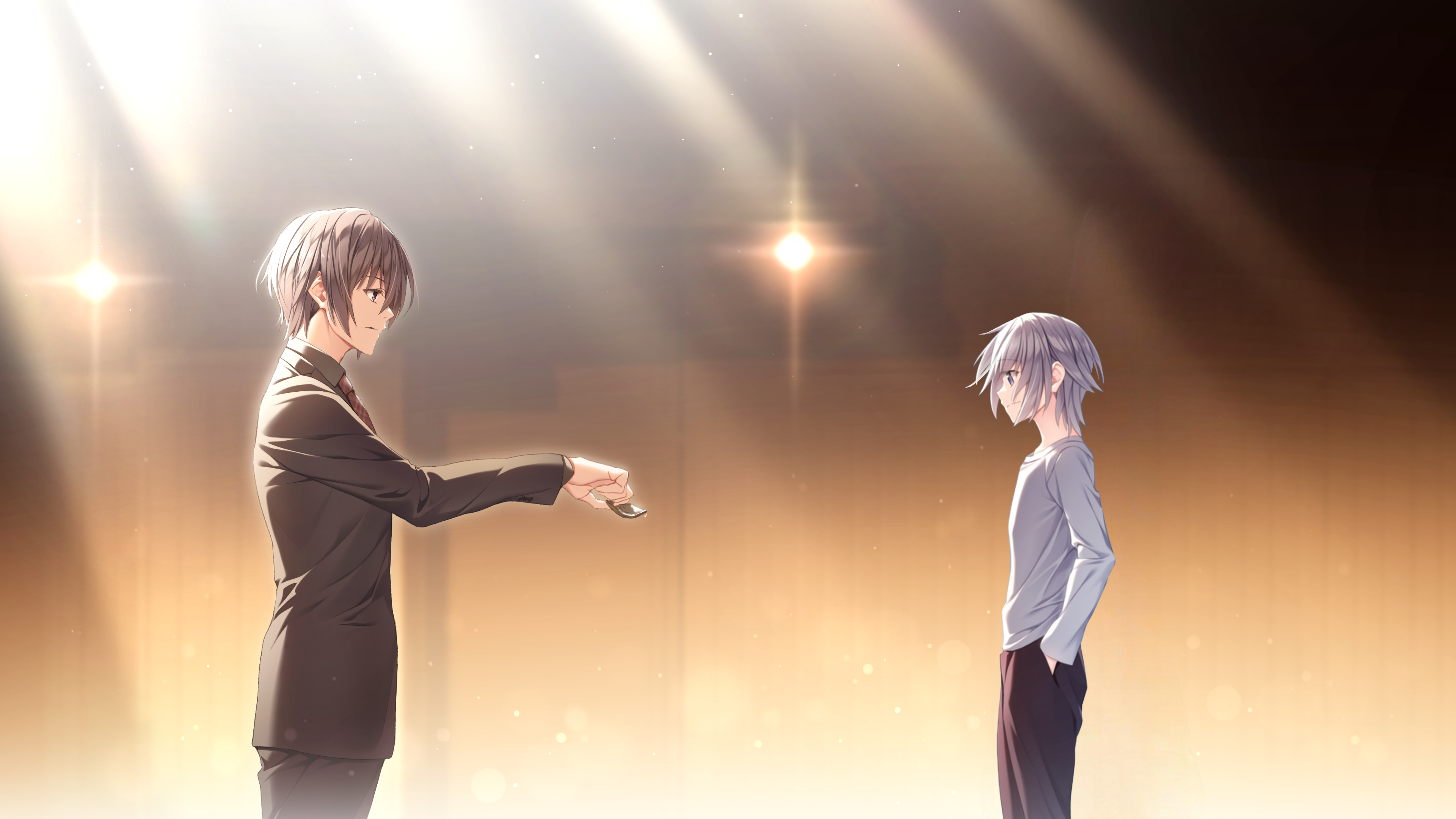
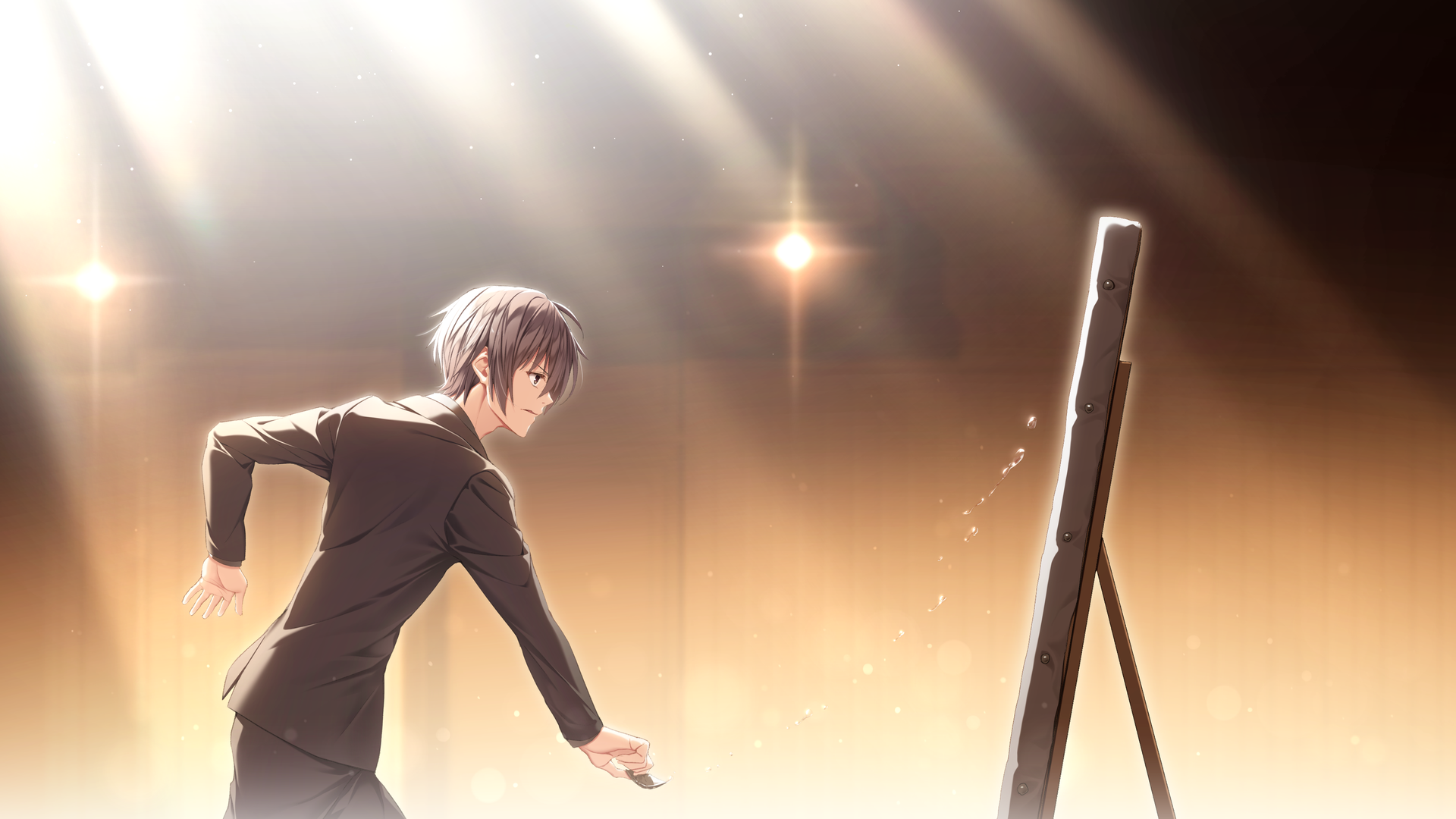
The second point is continuation. Once Naoya accepted that experiences cannot simply be “preserved” (through the result of the first Black Painting) the purpose of his art changed. He arrives at the conclusion that what has passed can still continue through its effects on what comes afterward. This is what distinguishes the final painting, since it is essentially an accumulation of his own life: Kei, Rin, Shizuku, the people he encountered, their memories, their emotions, and his own experiences, all converging within a new act of creation. What matters about this accumulation is what it allows those experiences to do after they have passed: they are reconstituted into something capable of producing another experience. This is what Ken’ichirou means when he tells Kei to “strum the miracle of the world.” Art becomes something akin to music: a melody exists through its movement, reaches the listener, and eventually fades, yet the fact that it was heard allows it to become part of another experience.
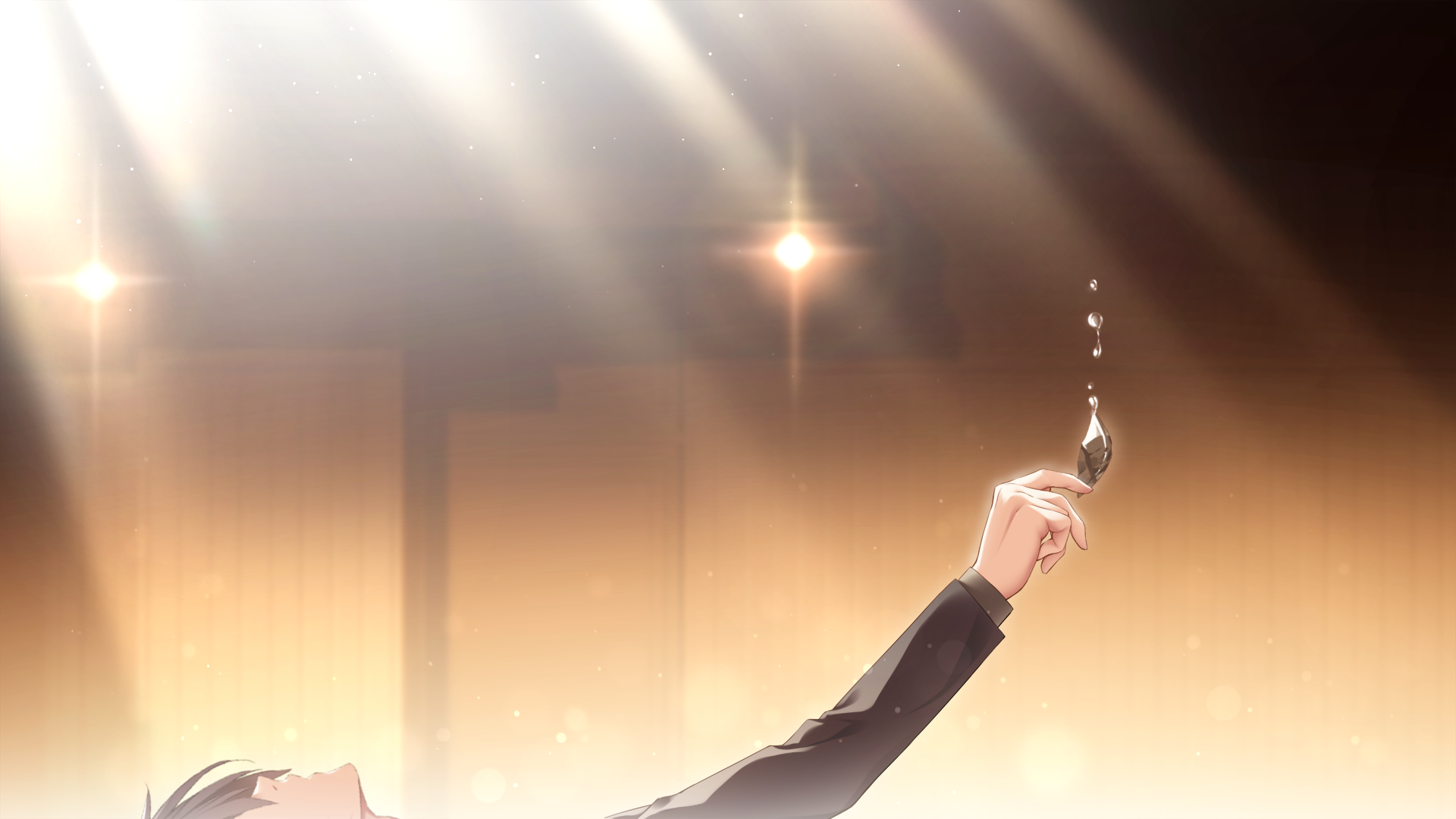
Its continuation, then, does not depend upon retaining the melody in some permanent state; its having been heard is already enough for it to enter another life. Likewise, Kei’s life “continues” through Naoya, the experiences that shaped Naoya continue through his painting, and that painting can then become the source of entirely new experiences for someone else. The work derives its value from its ability to resonate, rather than from the futile attempt to “arrest” something in an unchanged form. “Continuation” is what allows transience to acquire significance; the past remains active through what it gives rise to.
Unfinishedness
Lastly, there’s unfinishedness. The final position that Naoya holds is a reconciliation with the flow of time itself. He no longer seeks to defeat “disappearance,” insofar as disappearance does not invalidate existence. The important part is the condition of remaining unfinished. An unfinished work remains open to what comes after it, allowing its meaning to develop through future encounters and interpretations. Its incompleteness keeps the work from reaching a fixed endpoint, allowing it to remain in a state of continual becoming. A work can continue beyond the circumstances of its creation, acquiring new significance as it encounters the world in different ways. I do think that the idea was somewhat foreshadowed in the A Nice Derangement of Epitaphs sequence, where Ken’ichirou says that “misinterpretations of meaning create even more wonderful significance.” The statement reflects an understanding of art where meaning can continue to develop beyond its original intention. His own interpretation of Naoya’s painting as his epitaph demonstrates this directly, as the painting acquires a significance that Naoya could never have completely determined beforehand. In this sense, unfinishedness carries a more specific meaning than simple incompletion. It describes an openness toward what has yet to become.

Conclusion
To conclude, Naoya’s final philosophy can be understood as a way of reconciling transience, continuation, and unfinishedness. He accepts that every encounter exists within the flow of time: beauty is experienced in the present, passes into memory, and eventually changes as the people and circumstances surrounding it change. This is the condition of transience. Yet the disappearance of an experience does not mean that it ceases to matter. What has passed can continue through what it has produced, through the experiences it has shaped and the encounters that follow from it. This is continuation. The final painting embodies this idea by gathering the experiences that have shaped Naoya from the beginning and allowing them to enter into another act of creation, where they can resonate beyond the circumstances in which they originally occurred. This finally leads to unfinishedness: the recognition that neither an artwork nor a life ever reaches a final point at which everything has been completely settled.
To return to the start, we can never return to those happy days as they were, yet they remain with us because our experiences become part of who we are. We could say that the movement of the final painting mirrors the movement of life itself: we continue forward while carrying what has already passed, always becoming something that has yet to be completed. And because we are finite, impermanent beings with more life left to live, the infinite is still too soon.
Thank you for reading.